The wrong layer
When AI output starts to feel generic, almost everyone reaches for a better model or a sharper prompt. Usually that's the wrong place to look.
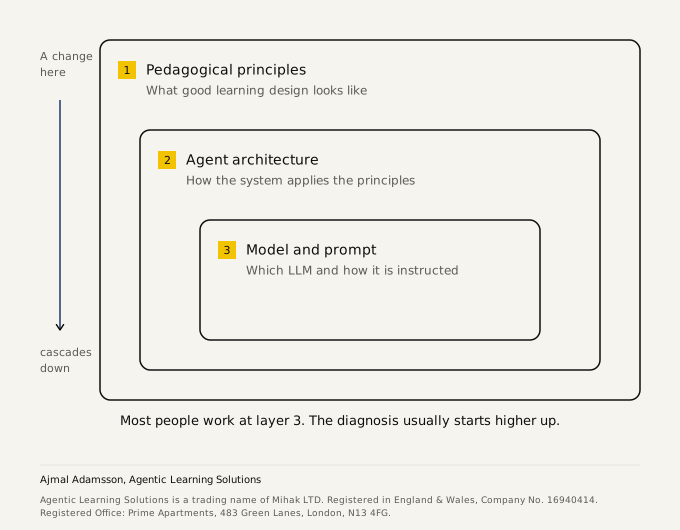
There are three layers to any AI system that makes learning. At the top, what good learning looks like: the pedagogy, the decisions only educators should make. In the middle, how the system is put together: the architecture that carries those decisions into the work. At the bottom, which model does the work and how it is instructed: the tool.
Most people spend their time at the bottom. They swap models, tune prompts, chase the new release. The output gets a little better, then drifts back to generic, because the thing making it generic was never the model. It was the layer above, where no one had decided what good actually means here, or built the system to hold to it.
Fix the top and the rest falls into line. A clear definition of quality, written as criteria a system can check against, changes every output beneath it. Start at the bottom and you are back next month with the same problem and a different model.
This is why I describe the work as architecture, not prompting. The prompt is real, but it is the last mile. The decisions that decide whether AI makes your learning better or just faster live two layers up.
If you run a learning operation and this is the conversation you keep having, email me.